
UNESCO World Heritage · 1983
You will find Pride here
Painted Buddhist monasteries in a Sahyadri cliff
Smart AI planner
Plan your Ajanta Caves journey
Choose the experiences that match your visit — we'll craft a personalised UNESCO heritage itinerary.
No account needed to generate. Create an account to save your itinerary later.
Plan your visit
Practical essentials
Best time: October–March; closed Tuesdays. Arrive at opening for cooler light in the caves.
Nearby & related
Must-see highlights
- Cave 1 & 2 frescoes
- Cave 16 & 17 paintings
- Cave 26 dying Buddha
- Waghora viewpoint
Local flavours
- Naan qalia
- Tahri
- Mawa jalebi
- Chhatrapati Sambhajinagar Himroo
Travel tips
- Hire ASI-licensed guides at the ticket counter.
- Photography without flash; some caves restrict cameras.
- Base in Chhatrapati Sambhajinagar — ~2.5 hr drive each way.
Gallery
Ajanta Caves in focus
Chhatrapati Sambhajinagar · UNESCO 1983
Suggested itinerary
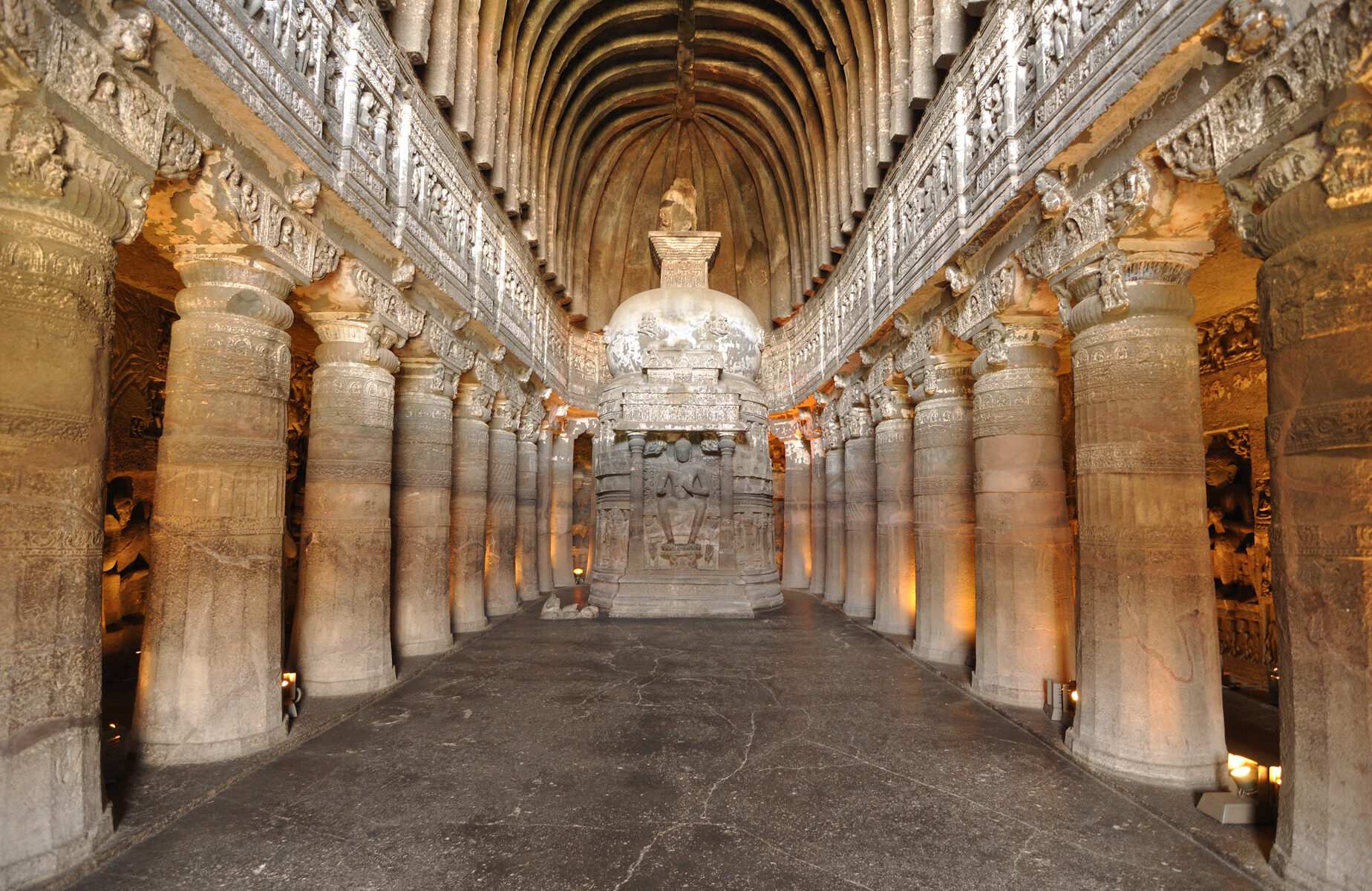
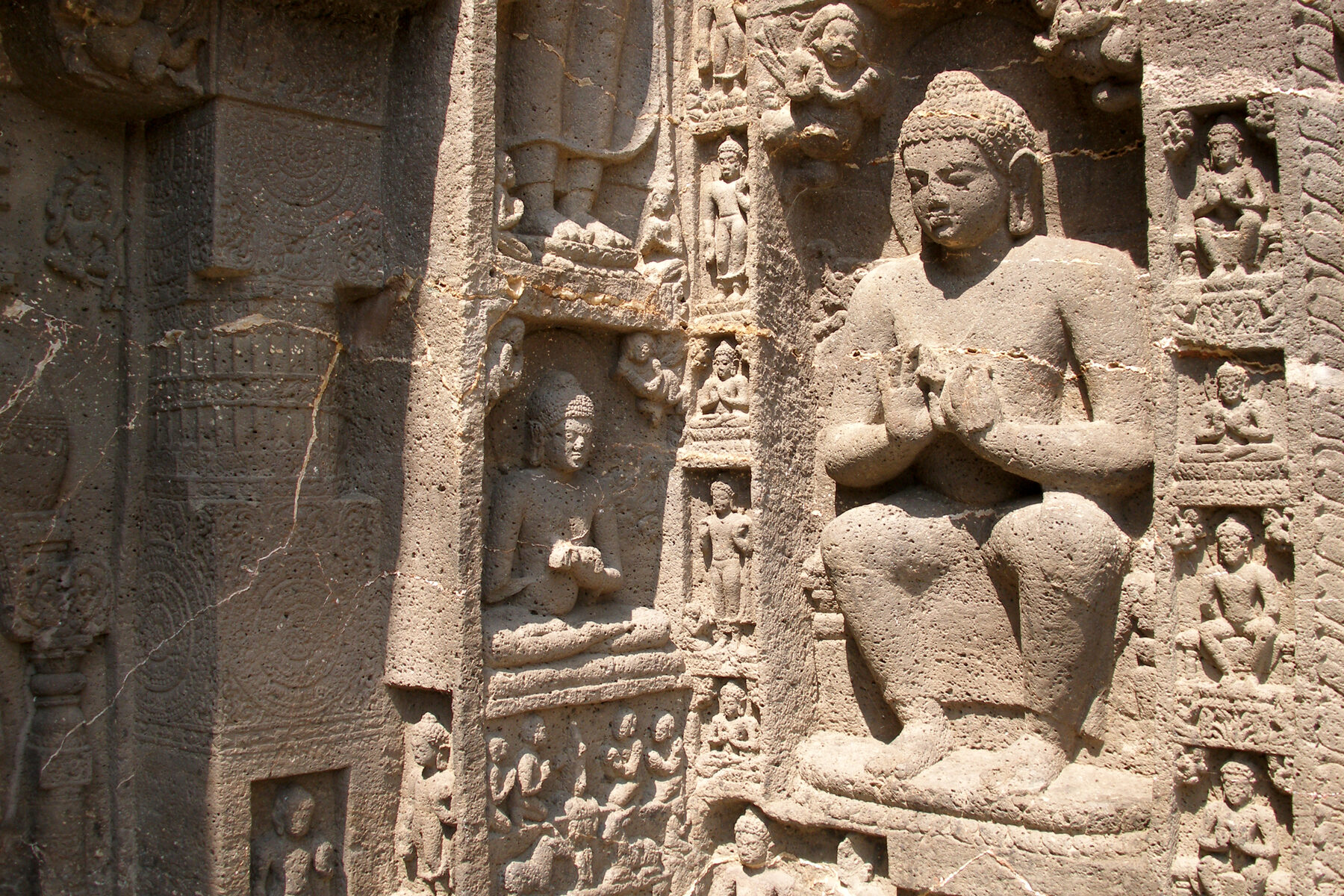
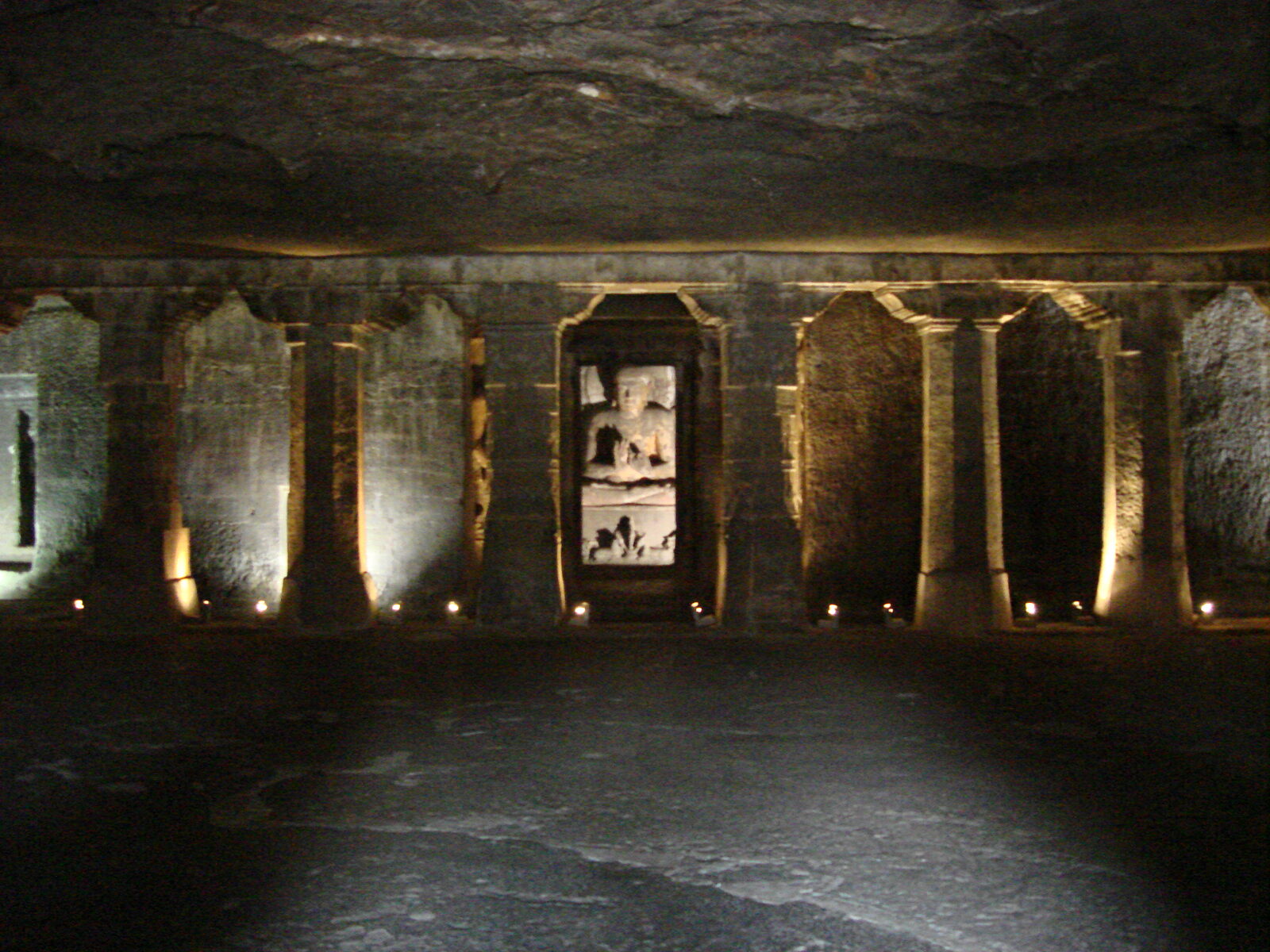
Thirty rock-cut caves above the Waghora gorge preserve nearly nine centuries of Buddhist art — narrative murals, sculpted Buddhas, and monastery architecture inscribed by UNESCO in 1983.
Ajanta viewpoint
MORNING
🌅Ajanta viewpoint & Cave 1
Mahayana frescoes, Bodhisattva panels, earliest painted caves
Arrive at the Ajanta complex before the crowds. Cave 1’s ceiling and pillar paintings are among the finest surviving examples of ancient Indian mural art — allow unhurried time with a licensed ASI guide.
AFTERNOON
☀️Caves 2, 16 & 17
Narrative Jataka tales, seated Buddha, monastery planning
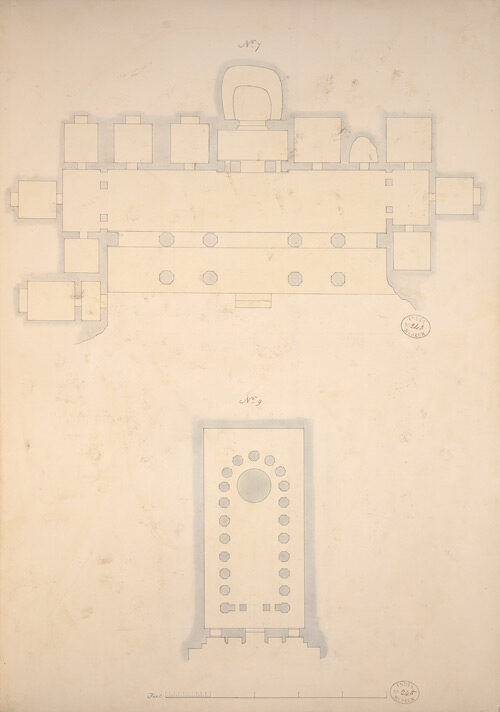
Move through the horseshoe cliff in sequence. Caves 16 and 17 combine sculpture and painting; Cave 2’s ornate façade introduces the monastery layout that defines the site.
EVENING
🌇Ajanta Archaeological Museum
Replicas, site context, conservation story
The small museum at the base contextualises what you have seen in the caves — ideal before dinner in nearby Jalgaon or a resort stay in Chhatrapati Sambhajinagar.
Part of Maharashtra's seven UNESCO World Heritage Sites
View all UNESCO sites