
UNESCO World Heritage · 1987
You will find Pride here
Shaivite island temples in Mumbai Harbour
Smart AI planner
Plan your Elephanta Caves journey
Choose the experiences that match your visit — we'll craft a personalised UNESCO heritage itinerary.
No account needed to generate. Create an account to save your itinerary later.
Plan your visit
Practical essentials
Best time: November–February; ferries operate daily except monsoon rough-sea days.
Nearby & related
Must-see highlights
- Cave 1 Trimurti
- Minor caves 2–5
- Island cannon hill
- Harbour ferry crossing
Local flavours
- Ferry snacks
- Colaba cafés
- Bhel puri at Gateway
Travel tips
- Ferries from Gateway of India — buy return tickets.
- Toy train uphill saves walking in heat.
- Monkeys on island — secure food and bags.
Gallery
Elephanta Caves in focus
Mumbai Harbour · UNESCO 1987
Suggested itinerary
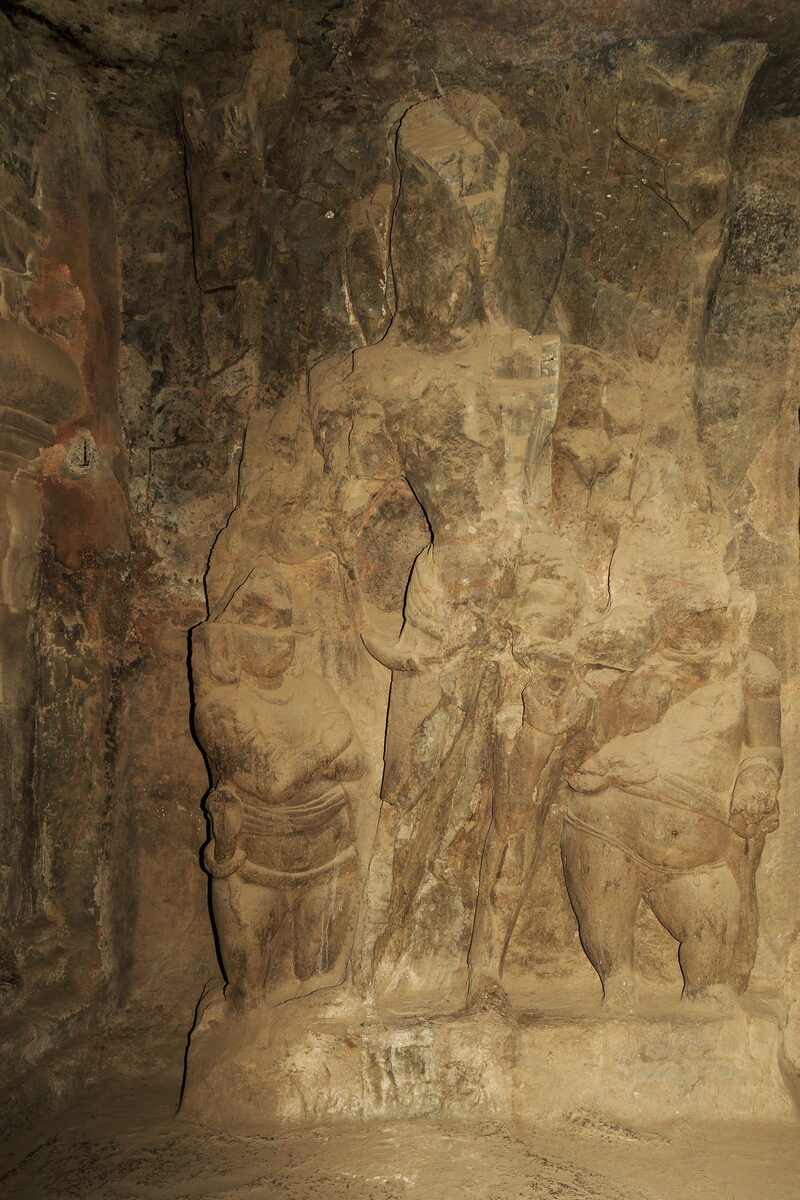
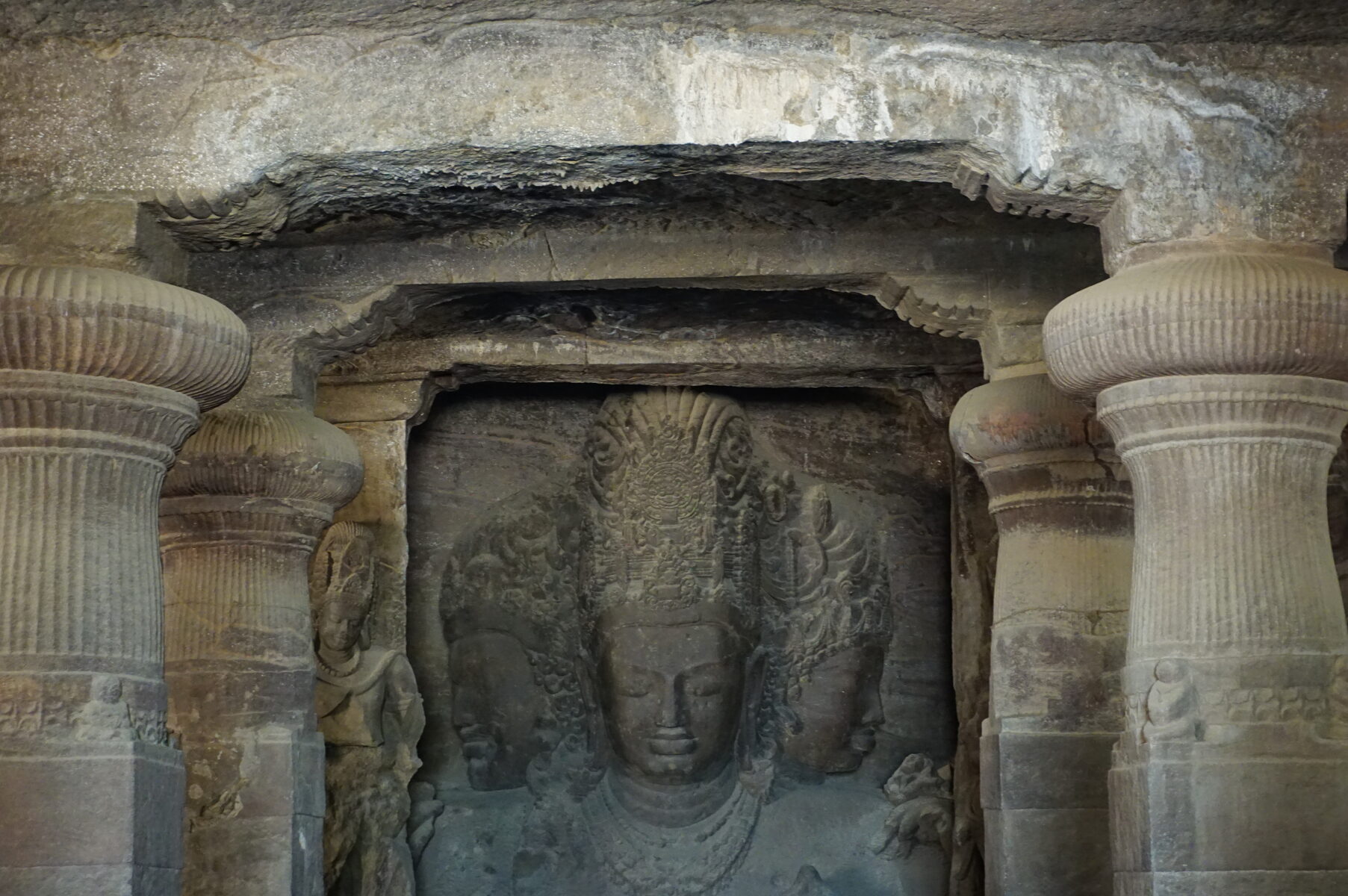
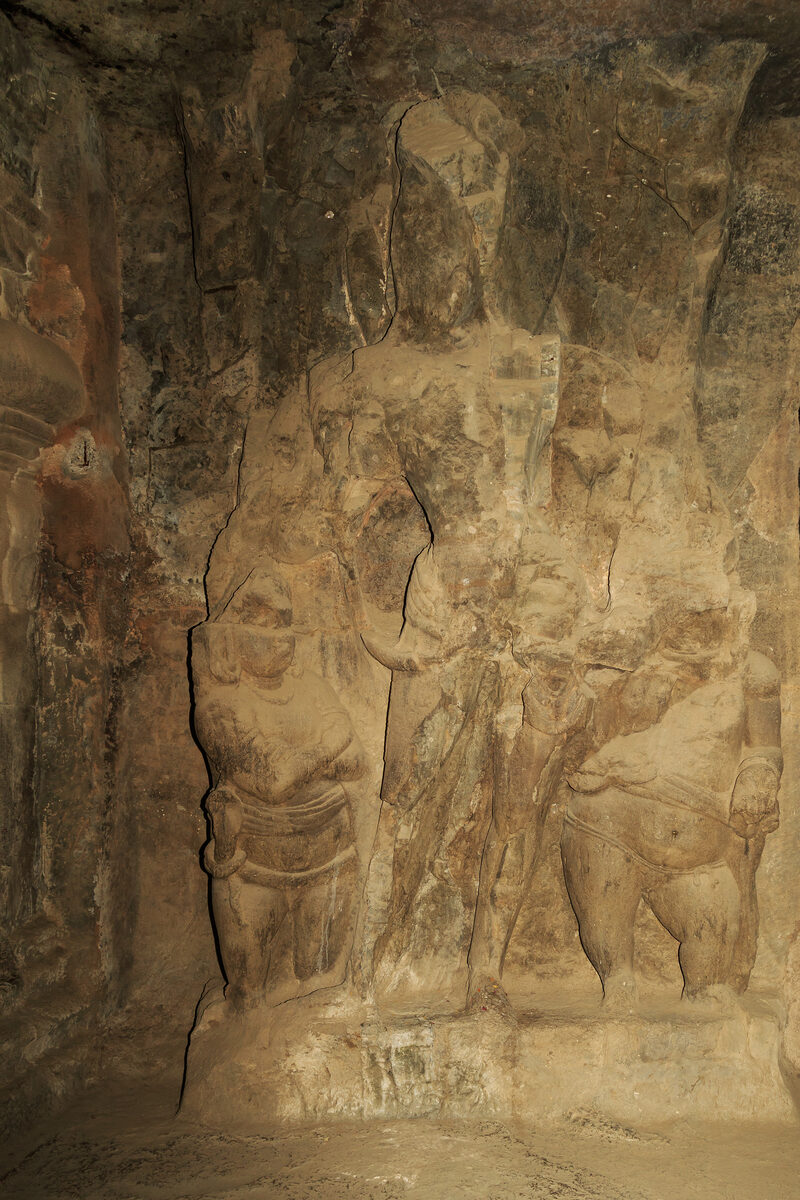
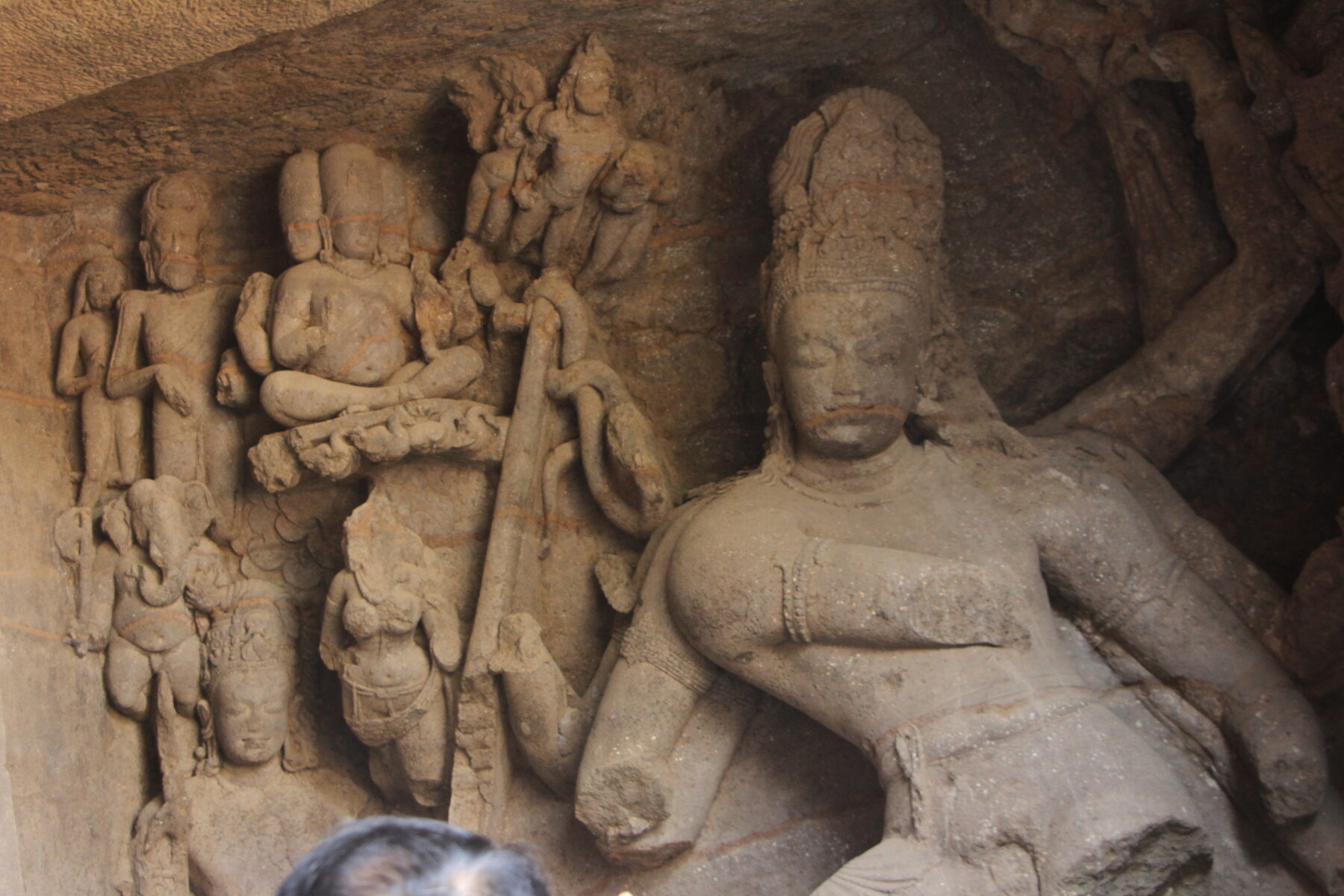
On Gharapuri island, 5th–8th century sculptors carved volcanic rock into caverns devoted to Shiva — the colossal Trimurti remains one of India’s defining masterpieces.
Gateway of India
MORNING
🌅Gateway of India & ferry to Elephanta
Harbour crossing, island approach, ticket logistics
Board the MTDC or private ferry from Apollo Bunder — the hour-long crossing sets the mood. Buy cave tickets at the island jetty and consider the toy train uphill.
AFTERNOON
☀️Cave 1 — Trimurti & Shaivite panels
Colossal three-faced Shiva, Ravana lifting Kailasa, Ardhanarishvara
The main cave’s 6-metre Trimurti is among India’s greatest sculptural achievements. Allow time for the side shrines and damaged but powerful relief panels.
EVENING
🌇Colaba heritage walk
Colonial façades, cafés, Kala Ghoda galleries
Return to the city for a gentle walk through South Mumbai’s art district — a human-scale contrast to the island’s ancient rock-cut drama.
Part of Maharashtra's seven UNESCO World Heritage Sites
View all UNESCO sites